When a family suddenly needs insurance emergency accommodation, the priority is always safety, stability and somewhere that feels like home. After a fire, flood, escape of water or structural damage, people often assume they’ll be placed in a hotel. But hotels are rarely suitable for more than a few nights, especially when a property needs weeks or months of repairs. This is why insurers now rely heavily on serviced accommodation for insurance claims, offering families space, comfort and routine during one of the most stressful periods of their lives.
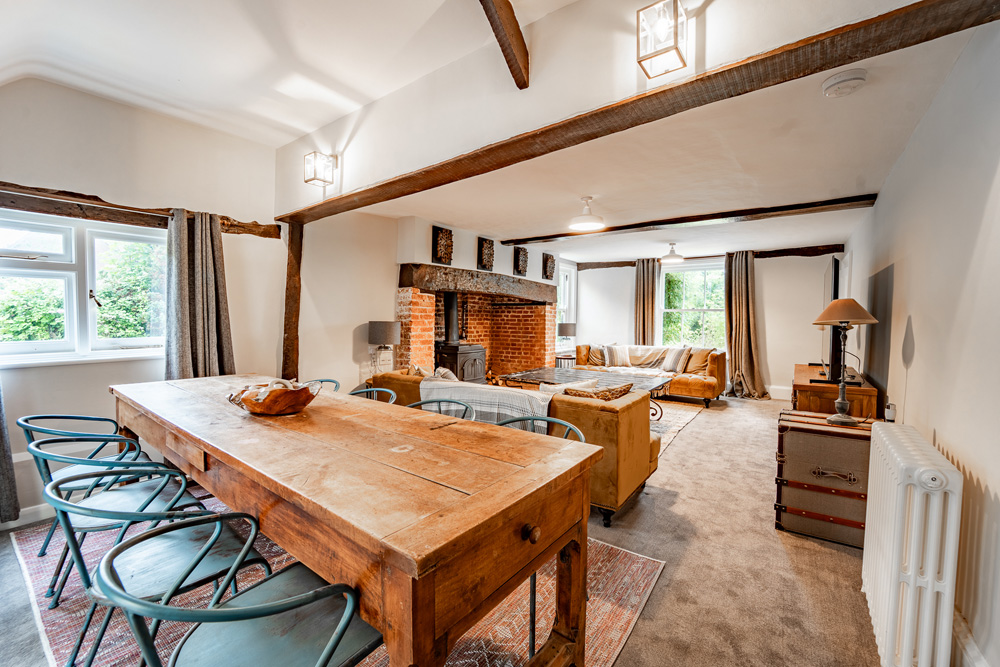
One of the biggest advantages of insurance alternative accommodation is the ability to live normally. A hotel room gives you a bed and a kettle; insurance‑approved serviced accommodation gives you a full kitchen, a proper living room, separate bedrooms and the space to maintain everyday routines. For families dealing with the aftermath of a claim, this matters. Being able to cook meals, sit together in the evening and keep children in a familiar rhythm makes a huge difference to wellbeing. It’s one of the reasons insurers now prioritise home insurance accommodation that feels like a real home, not a temporary stopgap.
Space
One of the most important factors. A hotel room is fine for a weekend, but not for a family navigating repairs, loss adjuster visits and the emotional impact of displacement. Insurance relocation accommodation provides the separation families need, a living area to relax, a dining table to eat at, and bedrooms where everyone can sleep properly. This level of comfort is essential during long claims, especially when repairs take months. For insurers, placing families in serviced accommodation for insurance claims reduces stress, improves stability and supports a smoother recovery.
Noise
Another issue families rarely expect. Hotels can be unpredictable: late‑night guests, corridor noise, housekeeping interruptions and events that run into the evening. For families already dealing with upheaval, this can be overwhelming. Quiet insurance temporary accommodation in residential areas offers the peace and privacy needed to rest, recover and rebuild routines. When children need sleep, parents need calm and the household needs stability, this environment becomes invaluable.
Parking
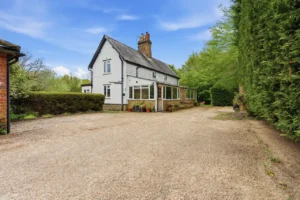 A practical detail that hotels often overlook. Families dealing with insurance claims often have multiple cars, tradespeople visiting, or temporary storage needs. Many hotels charge extra for parking or have limited spaces. Insurance‑approved accommodation typically offers free, convenient parking right outside the property, making day‑to‑day life easier. For families managing school runs, work commutes and repair appointments, this is a major advantage.
Laundry
An essential part of daily life that hotels make difficult. When you’re living in insurance emergency accommodation, you need the ability to wash clothes, school uniforms, bedding and everyday essentials. Hotels charge per item, which becomes expensive quickly. Serviced accommodation for insurance claims includes washing machines, giving families the freedom to manage laundry whenever they need to without cost or inconvenience.
Cost
A major factor for insurers. Hotels charge per night and quickly become expensive for long stays. Insurance alternative accommodation offers weekly or monthly rates that are far more cost‑effective, especially when you factor in the ability to cook at home rather than relying on restaurant meals. For loss adjusters and claims handlers, this makes budgeting simpler and more predictable, while giving families a far better living environment.
Location
Families need insurance relocation accommodation close to schools, workplaces, support networks and familiar routines. Serviced accommodation in residential areas allows families to stay connected to their community during repairs. This reduces disruption, supports mental wellbeing and helps children maintain stability during a difficult time.
In the end, the difference between a hotel and insurance temporary accommodation comes down to how a family needs to live while their home is being repaired. A hotel gives you a room. Insurance‑approved serviced accommodation gives you a home‑from‑home, space to cook, space to relax, space to sleep properly and space to feel grounded again after the shock of a claim. For families navigating fire, flood or structural damage, it’s not just a nicer option; it’s the most practical, comfortable and supportive one.